Multi-Agent Systems: The Next Frontier in Enterprise Automation

Let AI summarise and analyse this post for you:
Why multi-agent systems are more powerful than single agents and how to orchestrate them for complex goals.
While single AI agents are undeniably powerful, the true potential of enterprise automation lies in Multi-Agent Systems (MAS). In these environments, specialized agents work together like a well-oiled machine, each handling a specific part of a larger, complex goal.
The Power of Specialization
Just as a human company has departments for Sales, Marketing, and Engineering, a multi-agent system uses specialized models and prompts for different tasks. This leads to higher accuracy and lower error rates compared to a single "generalist" agent.
How Orchestration Works
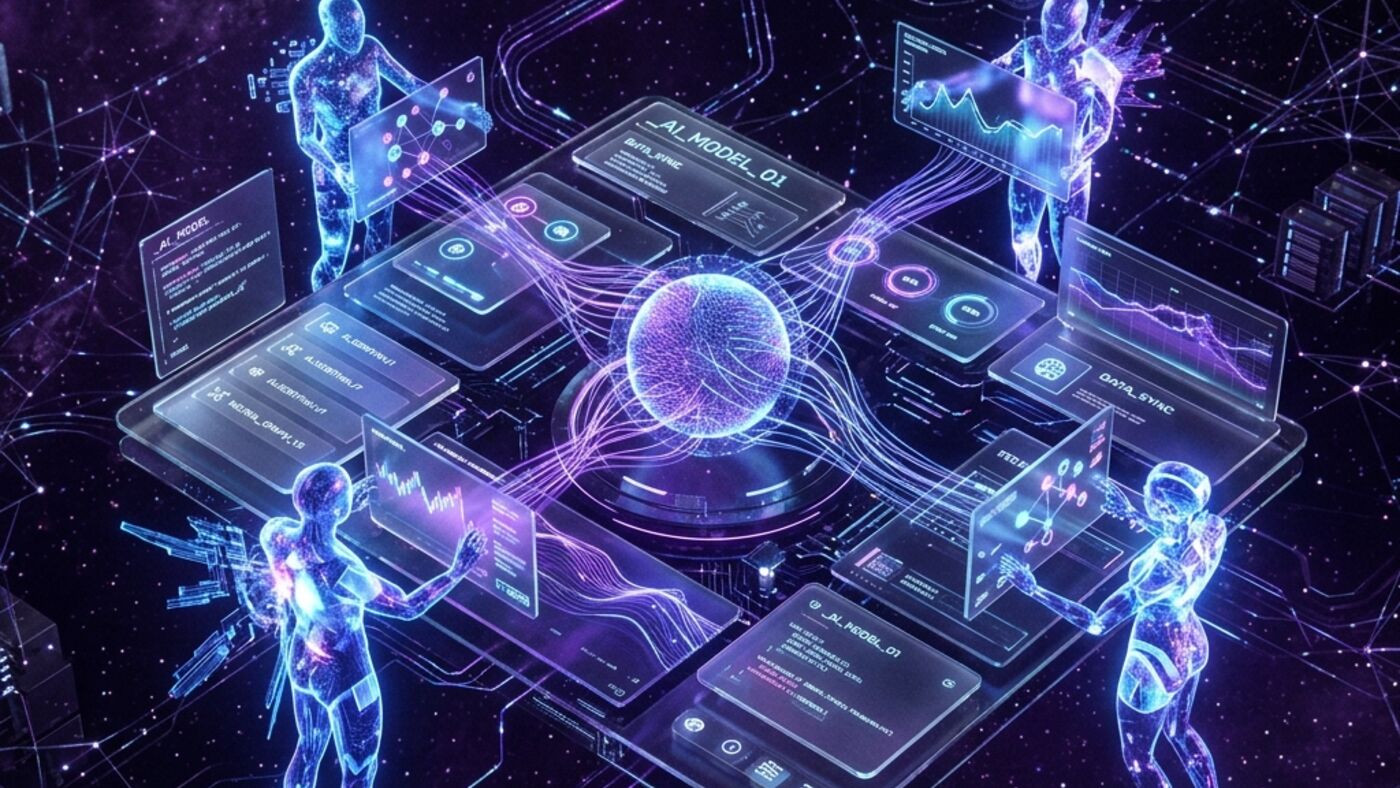
The secret sauce of a multi-agent system is the orchestrator. This is a high-level agent that breaks down a complex request into sub-tasks and delegates them to the appropriate specialist agents.
- Dynamic Delegation: The system automatically routes tasks to the agent best suited for the job based on real-time performance data.
- Parallel Execution: Multiple agents can work on different parts of a project simultaneously, drastically reducing the time to completion.
- Conflict Resolution: Advanced orchestration layers can detect when agents are providing conflicting information and resolve the discrepancy through a consensus mechanism.
"Orchestration is the difference between a collection of talented individuals and a world-class symphony."
Implementing Multi-Agent Systems
For enterprises, moving to a multi-agent architecture is the next logical step in their digital transformation journey. It provides the scalability and reliability needed for production-grade AI applications that can handle the unpredictability of real-world business data.