The Rise of the AI Employee: Automating Daily Workflows with Intelligent Agents

Let AI summarise and analyse this post for you:
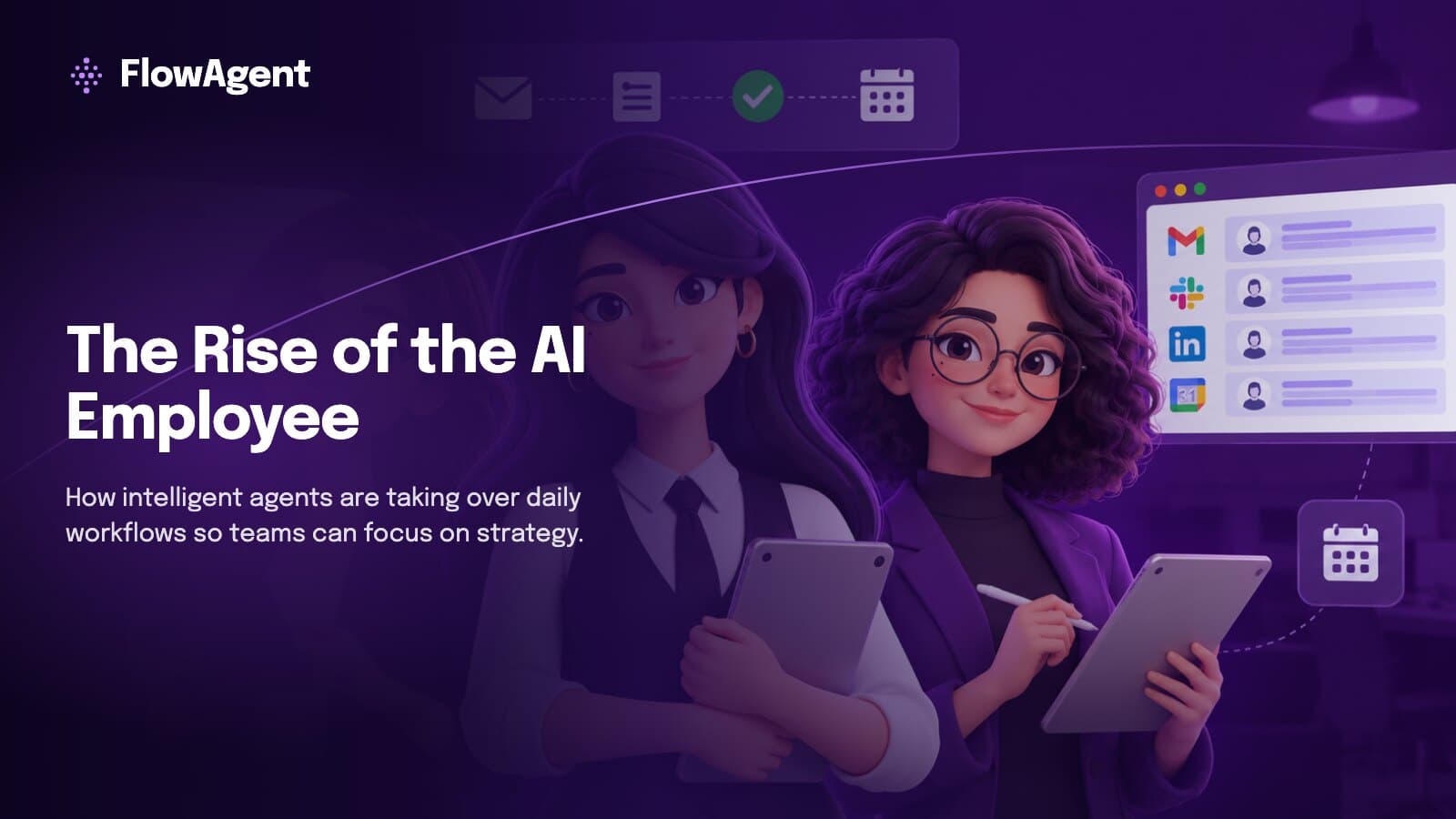
How companies are integrating AI employees into their teams to handle repetitive administrative and creative tasks.
The concept of an AI employee is moving rapidly from science fiction to a core business reality. In 2026, we are seeing a fundamental shift in how work is distributed between humans and silicon. No longer just a "chatbot" in a sidebar, the AI employee of today is an autonomous entity capable of managing its own calendar, executing complex cross-platform workflows, and making high-level tactical decisions.
Beyond Simple Automation
Traditional automation was deterministic—if X happens, do Y. An AI employee, however, operates on intent. You don't tell it which buttons to click; you tell it what the outcome should be. For example, "Onboard this new client and ensure all their initial data is synced to our production environment."
- Cognitive Decision Making: AI employees can analyze unstructured data and make decisions based on company policy and past successful outcomes.
- Continuous Learning: Unlike rigid software, these agents learn from every interaction, becoming more efficient and accurate over time.
- 24/7 Operational Capacity: While your human team rests, your AI employees are processing data, qualifying leads, and monitoring systems.
"The AI employee doesn't replace the human worker; it replaces the drudgery that keeps the human worker from doing their best work."
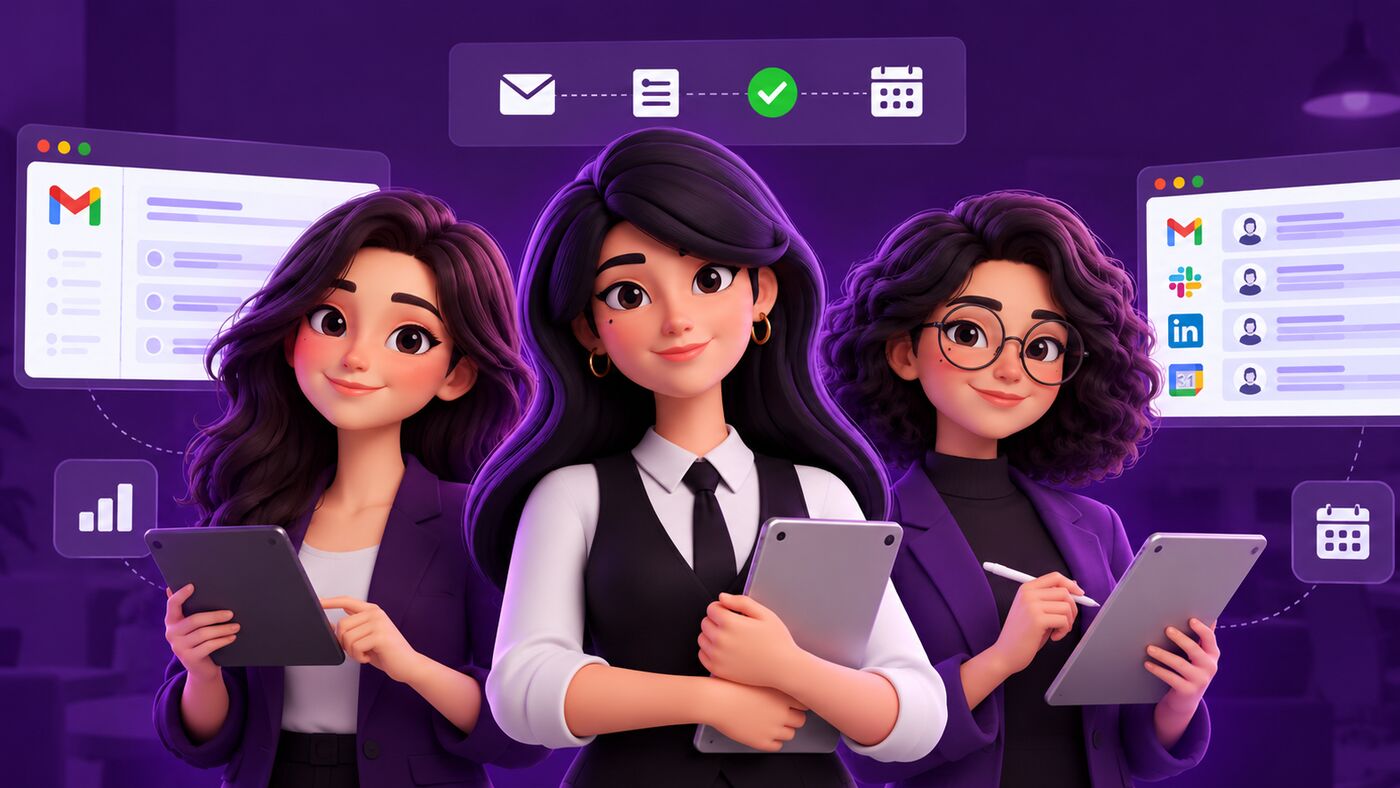
The Future of Human-AI Teams
The most successful companies of the next decade won't be those with the most employees, but those with the best-integrated human-AI teams. By offloading repetitive, data-heavy tasks to AI employees, human talent is freed to focus on strategy, empathy, and high-level creative problem-solving.